
A week ago I wrote about how the black lives matter movement wasn't exactly new-- how it was linked to a longer history of police brutality and fighting back against that brutality.
One of the most difficult things to understand about racism in America is how few of the worst atrocities are recorded, well known, brought to justice.
A story my dad told me made this terribly clear. 🧵
In the 60s my dad joined the national guard he wanted to get a degree in chemistry and not end up working in the steel mill like his dad. Both of these things worked out and he ended up working for the EPA (which he and all his work buddies called "air pollution" for some reason, talk about bad branding)
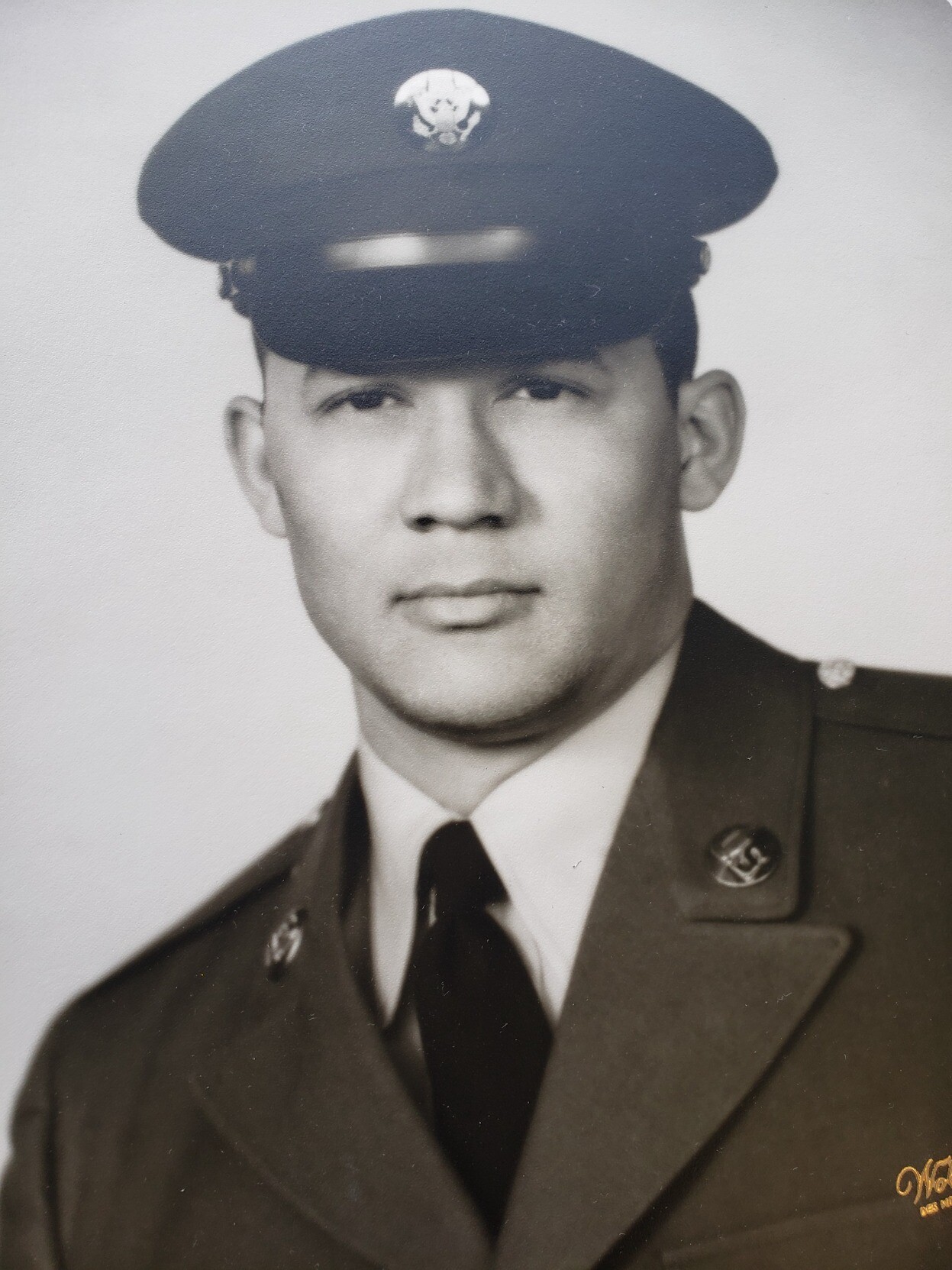
Anyway it's the 60s and this handsome fellow is on a base for some basic training.
They got evenings on weekends off and could go into town.
On one of these hot summer weekends it's nearly the end of the camp. All of the young men were basically sick of the training and things got a little wild in town with some of the young men drinking too much. My dad was in a bunk house near the gate. All of the black members of the guard were housed together. They got back just in time, being late for curfew was a big deal.
But once back in the house they noticed one young man was missing.
Let's call the missing man J.
So, my dad and his new friends in the guard are watching the gate waiting for J. to get back from town.
Two hours late J. comes stumbling up the gravel drive to the little gate house.
This gate house was staffed by two white guys, not much older than the new members.
They stop J. who is visibly wobbling and clearly not sober.
What everyone expected to happen was J. would get yelled at, and he might have to run laps or something the next morning. Really, curfew was a big deal, so it might be even worse than that.
But now my dad and the other young men watched as an argument broke out.
One of the white guards grabbed J. J. waved him off and tried to walk away. And then suddenly there was a gun shot.
J. had been shot dead!
In the house, the mood went from mild amusement at J. getting in trouble to silence.
No one could hear what was being said but after some time a more senior member of the guard appeared. Medics removed J. body.
Training continued the next day as if nothing had happened.
The event was recorded as insubordination, self - defense.
The double insulation of the 60s and the military meant that the young man who murdered J faced no consequences.
This whole incident was simply swallowed by time.
Though, the more I think about it the more I want to go back and find out more. Maybe at least get some statements from the other witnesses.
My dad claims it's impossible to do anything because, when in the military you aren't covered by the same legal protections as a citizen.
There isn't going to be any big movie or book about J. He's just another young man who disappeared.
I wonder if he had anyone to send his photo in uniform to?
@gorfram @futurebird
Education about the issue has never been as complete as it should be. I never learned about the Tulsa Massacre in school, I stumbled across a documentary, as an adult.
That wasn't one person in the military, that was hundreds, and it's glossed over. Inexcusable.